

The Middle Child of Tea: Confessions of an Oolong Nerd
CONFESSIONS OF AN OOLONG NERD: the Middle Child of Tea
While all “true” tea comes from the same plant—Camellia sinensis—oolong is a distinct category because of controlled partial oxidation. The word “Oolong” (or Wulong) literally translates from Chinese as “Black Dragon”, which refers to the dark, twisted appearance of the dried leaves, as they dramatically unfurl like a dragon waking from sleep when they hit hot water. Unlike delicate green or white teas, oolong is typically harvested from more mature plants later in the spring, to ensure a sturdy leaf capable of withstanding the intense oxidation and rolling processes.
Remember back in week one, when I said, “Think of oxidation like what we call ‘rust’ on an apple slice, when the white flesh turns brown,”, and that the apple isn’t rotting? That’s oxidation and why oolongs belong to a class of their own.
What truly makes oolong “oolong” is how that oxidation is started. Unlike black tea, where the whole leaf is often macerated, oolong is tossed in bamboo baskets to bruise the leaves around the edges. This tumbling causes the edges to oxidize while the center remains green, resulting in a complex chemical profile that contains both the fresh catechins (the bite) of green tea and the warm thearubigins (the body and color) found in darker teas.
Oolong is a favorite amongst tea nerds who are drawn to the unmatched artisanal craftsmanship required to produce it. This tea occupies the vast, sophisticated middle ground between green and black teas and is defined by its partial oxidation (typically 8–80%, though vary by type), which puts it between minimally oxidized greens, and fully oxidized blacks. Whether it’s the silky mouthfeel of a high-mountain variety, or the deep minerality of a charcoal-roasted Wuyi, oolong rewards patience.
Oolongs are often grouped by region and style. Flavors can swing from fresh, grassy, and orchid-like (lighter oxidation) to roasted, nutty, woody, or even boozy/honeyed (darker oxidation).
Major Categories and Examples of Oolong Types
-
Taiwanese oolongs — Often lighter and more floral, with ball-rolled shapes (e.g., High Mountain oolongs like Alishan or Lishan, Dong Ding, or Oriental Beauty/Bai Hao, which has a honey-like sweetness from insect-bitten leaves).
-
Wuyi/Yancha (Rock oolongs from Fujian, China) — Heavily roasted, mineral-rich, with bold, smoky, or charcoal notes (e.g., Da Hong Pao, Shui Xian, or Qi Lan).
-
Tieguanyin (Iron Goddess) — From Anxi in Fujian; can range from light and floral (green-style) to darker and roasted.
-
Dancong/Phoenix oolongs — From Guangdong's Phoenix Mountains; strip-style leaves with incredibly complex, natural fruity/floral aromas mimicking orchid, honey, ginger flower, or lychee (e.g., Mi Lan Xiang).
-
Other notable styles — Milky oolongs (sometimes flavored or naturally creamy), GABA oolongs (anaerobically processed for umami), or aged/roasted variants that evolve over time like fine wine.
Oolong has a moderate caffeine content (30–50 mg per cup). It provides a steady, focused lift and is a favorite among those wanting to avoid the “jittery crash” of coffee. Maximize your ritual by steeping these leaves in multiple 20-second bursts. Unlike a single long soak, this method yields numerous infusions from one serving, with the flavor profile evolving beautifully and hitting its stride by the fourth pour. It’s like having a faithful, flavorful companion throughout the entire afternoon!
While oolong tea is a delight for the palate, it’s also a powerhouse of wellness, packed with polyphenols and antioxidants that provide anti-inflammatory and anti-oxidative support. Studies suggest oolong can naturally enhance metabolism and fat oxidation, making it an excellent choice for those pursuing their health and lifestyle goals. Additionally, by assisting with blood sugar regulation, oolong can help lower ‘bad’ cholesterol and blood pressure. A cup of win/win!
But Oolong’s benefits extend beyond your daily comfort. It also provides better digestion and gut health. Infused with essential minerals like calcium, magnesium, and potassium, this black dragon brew serves as a gentle, nutrient-rich cleanser for the body and mind. Interestingly, Oolong tea naturally contains fluoride because the Camellia sinensis plant absorbs the mineral from the soil and stores it within its leaves. While this natural fluoride can benefit dental health by remineralizing enamel and preventing cavities, it also presents a concern for the pineal gland. Because this gland isn’t protected by the blood-brain barrier, it’s susceptible to calcification, where fluoride accumulates and potentially interferes with melatonin production and sleep cycles.
To enjoy oolong while minimizing fluoride intake, your best strategy is selective extraction. Opt for high-grade, spring-harvested loose leaves—like Dragon’s Charm by Witches Brew—which are younger and naturally contain lower mineral concentrations than older, larger leaves. Additionally, by using Reverse Osmosis filtered water and the gongfu brewing method, you control the infusion time. Because fluoride is water-soluble but releases more slowly from whole leaves than from broken “tea dust”, these quick 20-second bursts allow you to pull out the delicate antioxidants and aromas first, significantly reducing the total fluoride content in your cup compared to a long, single steep.
Oolong is more than just a beverage; it’s a cultural cornerstone deeply woven into the heritage of southeastern China, Taiwan, and ethnic Chinese communities across Southeast Asia. Much like fine wine, oolong is a product of its Provenance, where the environment dictates the soul of the tea. For those with patience, darker and more heavily roasted varieties possess incredible aging potential, smoothing out over years to develop deep, sophisticated profiles that connoisseurs prize. Naturally sweet and low in calories, oolong’s practical versatility makes it a staple for modern healthy living.
HOMEWORK:
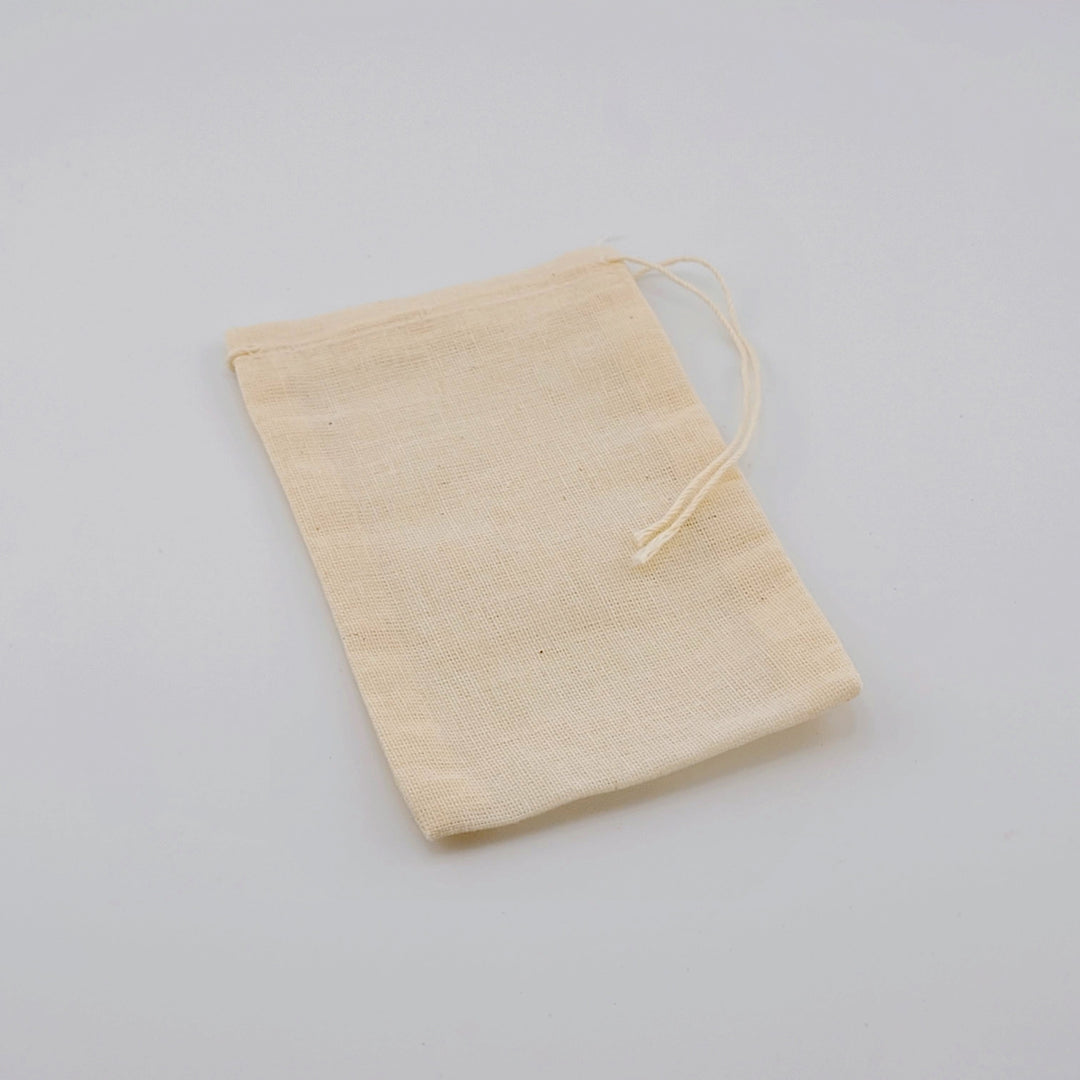
To truly integrate the benefits of oolong into your daily practice, we invite you to study the leaf. Let’s brew Dragon's Charm Oolong by Witches Brew. Using a reusable cotton tea bag, you’ll want to treat it with the care its ‘Black Dragon’ name implies. This specific tea is a Formosa (Taiwanese) Oolong, known for its floral sweetness and smooth, golden body.
1. The Prep
-
The Measure:
-
Place 1 level teaspoon (about 2–3 grams) of loose tea into your cotton tea bag. Note: Don't overfill! Oolong leaves are tightly rolled and will expand to 3–4 times their original size as they unfurl. As we learned in class #2, CONTROLLED EXTRACTION: BUILDING THE PERFECT CUP, leaves need room to “breathe” to release their full flavor.
-
The Water: Heat your water to approximately 190°F (88°C). If you don’t have a temperature-controlled kettle, bring the water to a boil and let it sit for about 2 minutes to cool slightly.
2. The Ritual
-
The Awakening (The Rinse): To wake the “Black Dragon,” place your cotton tea bag in the mug and pour just enough hot water (190°F) to cover it. After 5 seconds, discard only the liquid. This flash-rinse washes away tea dust and signals the leaves to begin their transformation.
3. The Study (Multiple 20-Second Infusions)
Forget the long soak. To capture the evolving soul of this Oolong, you will brew in quick, intentional bursts:
-
The First Steep: After waking the dragon, fill your mug and steep for 20 seconds, then remove the bag. This creates a light, floral introduction.
-
The Subsequent Steeps: Return the bag to the mug for a fresh pour of hot water. Continue with 20-second intervals. You will notice the flavor shifting from bright floral notes to a creamier, honey-like depth.
-
The Peak: Pay close attention to the second through fourth pours—this is where the Dragon’s Charm reaches its peak complexity.
-
The Long Game: Because this is a high-grade Formosa leaf, don’t stop at four! You can continue these 20-second bursts for many more rounds. If the flavor eventually begins to fade, only then should you add 30 seconds to your timer to coax out the final drops of magic.
3. The Golden Rule:
Do not squeeze! When removing the cotton bag, resist the urge to wring it out. Squeezing crushes the delicate leaves and releases bitter tannins, clouding the smooth, natural sweetness you’ve worked to extract.
4. Cotton Bag Maintenance
Since you are using a reusable cotton bag, give it a quick rinse with hot water immediately after use (no soap!) and let it air dry. Over time, the cotton will take on a slight tea stain—this is normal and often considered “seasoning” by tea lovers.
Your study of the Dragon’s Charm is now in your hands. Take your time with each infusion—the leaf has much to teach those who listen.
Next week: we’ll be studying the bold and beautiful black tea! We’ll transition from the delicate dragons of the mountains, to the robust strength of Breakfast blends and the Champagne of teas, Darjeeling. Until then…happy steeping!
© Witches Brew
Witchesbrew.com


Leave a comment